8 Product Marketing Ideas for Mattress Brands
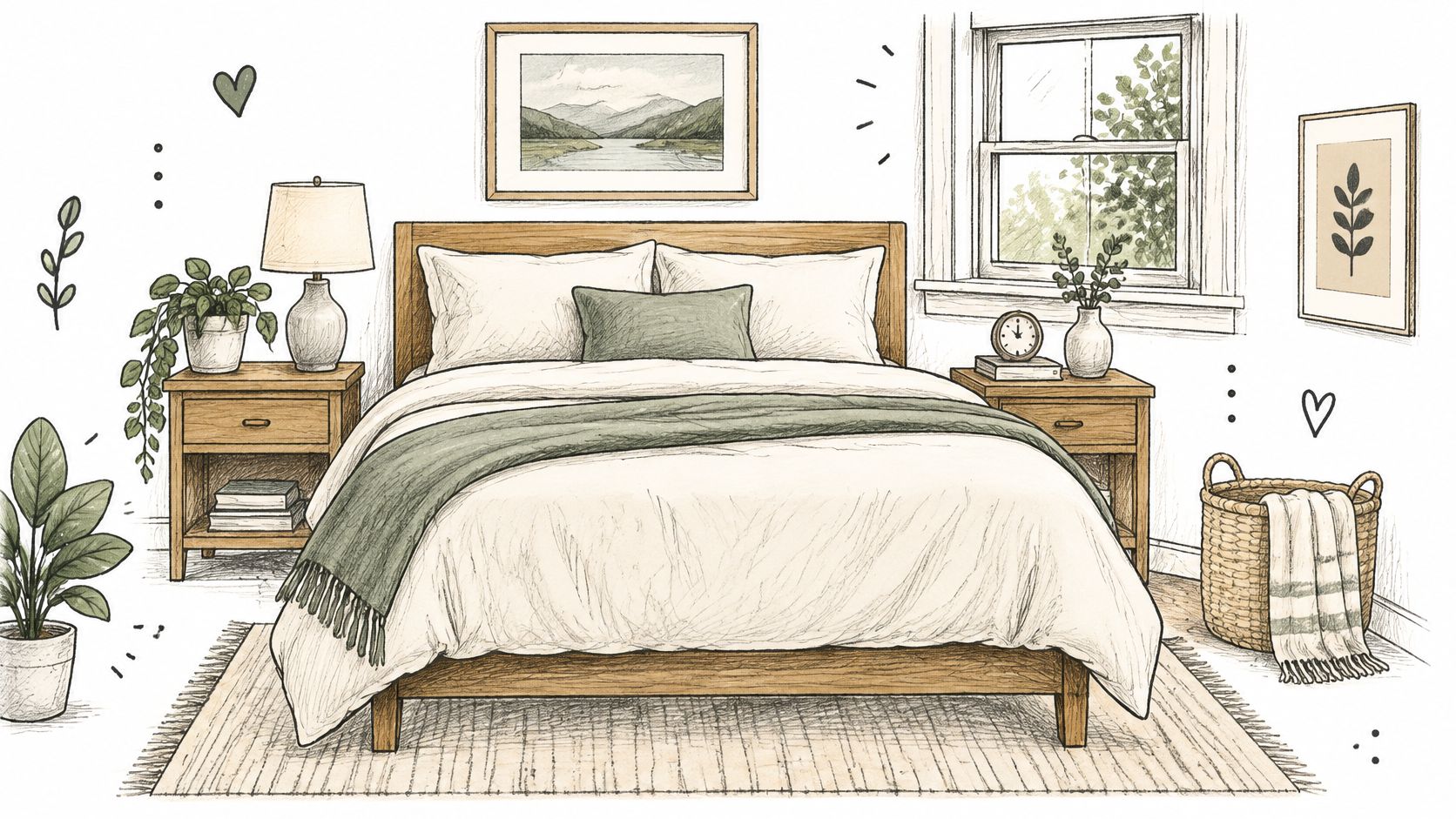
A shopper may encounter the same mattress on a retailer marketplace, a brand website, in a paid ad, on a salesperson's tablet, or beside a showroom floor model. If those touchpoints show conflicting specifications or imagery, more marketing spend can send buyers into more confusion instead of helping them choose. The most useful product marketing ideas connect those encounters into a clear buying experience, from explaining foam layers to answering questions about feel, delivery, and returns.
That matters because mattress shopping often moves between online research and a physical store. Furniture Today reported that 72% of consumers considered online research important to their mattress-shopping journey, while 74% researched online but bought in a store (Furniture Today's mattress shopping report). Your website and showroom aren't separate sales environments. They're parts of one decision.
The ideas below link product visuals, education, risk reversal, and retail sales support. For broader campaign inspiration beyond mattress-specific tactics, explore these SMS ideas for ecommerce brands.
1. Use Digibun Layer Breakdown Visuals
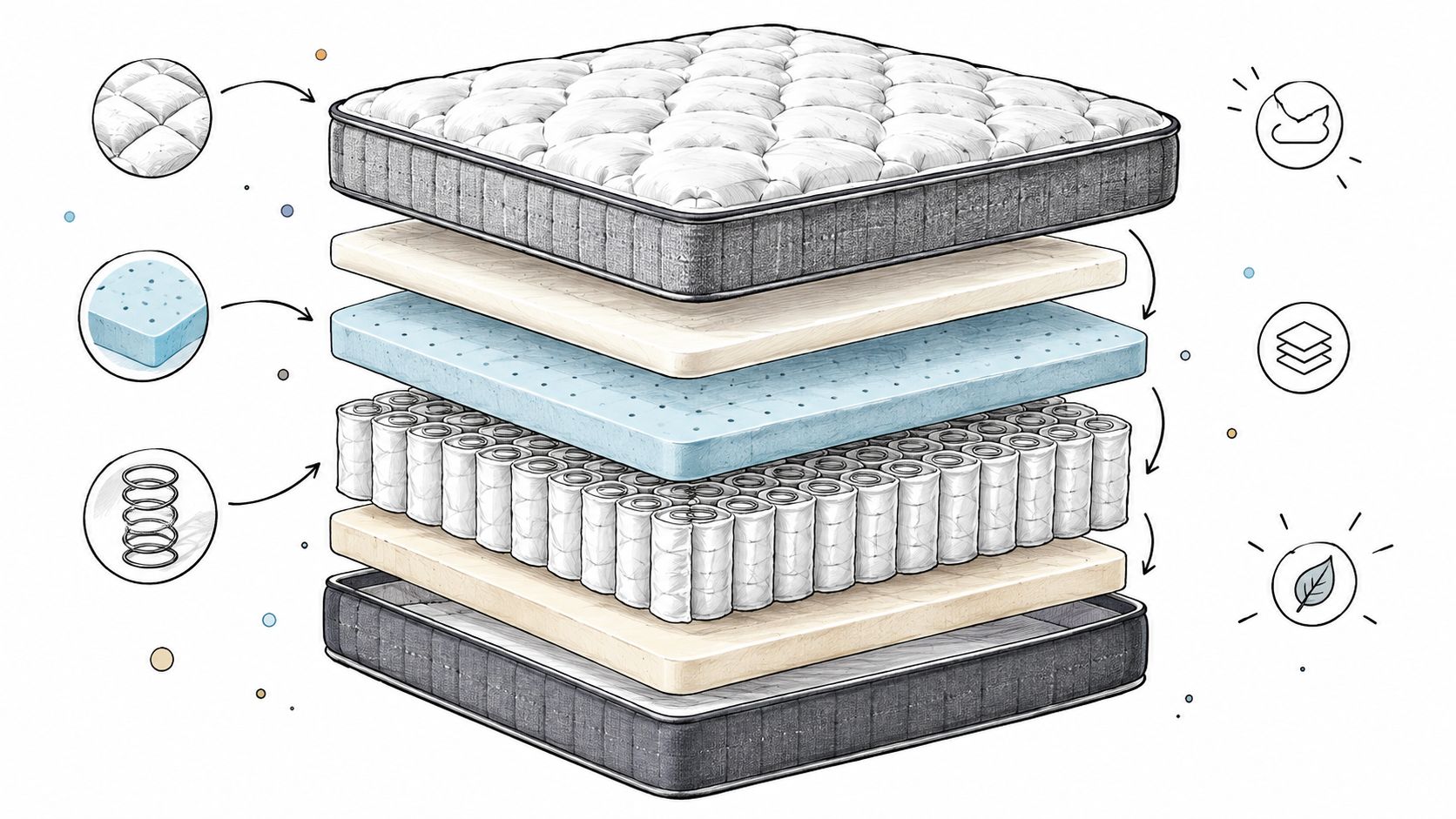
A Digibun is a 3D cutaway that shows a mattress's internal construction layer by layer. It gives shoppers a clean view of what a hard-to-photograph cross-section is meant to explain, whether the product uses a quilted top, comfort foam, a transition layer, a support core, or pocketed coils.
That clarity is especially useful for hybrid mattresses. A shopper can see how the coil unit and foam layers fit together instead of relying on a string of technical material names. Each callout should connect a component to a customer-relevant purpose, such as pressure relief, motion isolation, or edge support, without promising an outcome the product team can't substantiate.
Make construction consistent everywhere
A manufacturer might use the same layer visual on its product page, a retailer listing, a sell sheet, and a showroom tablet. That gives sales associates and shoppers a shared reference, especially when a private-label mattress appears under different retail branding. The graphic should match the production specification, not an early concept render.
Before commissioning assets, confirm the layer order, materials, proportions, ticking, quilt, and gusset details with the product team. Then prioritize shopper questions in the labels. A single clear callout about an edge-support feature is usually more useful than labeling every material without explaining why it matters.
Practical rule: Treat the approved specification as the source of truth for every product visual and sales tool.
For complex construction, 3D product animation for mattress brands can extend a static layer breakdown into a guided product explanation. The same approved information can then support digital and retail conversations without forcing every channel to recreate the story.
2. Standardize Silhouette Packshots
A silhouette is a clean, isolated mattress image, usually photographed or rendered against a neutral background. It's the dependable product shot for retailer catalogs, marketplace listings, and comparison grids, where shoppers need to distinguish one model from another without visual noise.
The problem is rarely a lack of images. It's inconsistency. If product shots vary in angle, lighting, background, or mattress profile, a collection can look like unrelated products even when it belongs to one brand. A defined silhouette system makes the range easier to scan across a site and helps retail partners present the line more coherently.
Build an image standard that survives new SKUs
Set the camera angle, lighting, crop, and shadow treatment once, then apply the rules to each new model. Include the mattress height when shoppers need to compare it with a platform base or bed frame. If fabrics differ, add a separate fabric reference so customers aren't left guessing about color from a small detail in the hero image.
For example, a retailer updating its online catalog can lead with silhouettes on product listings, then use lifestyle imagery on category pages where the brand needs to establish mood and price positioning. The trade-off is that a neutral image won't communicate how the bed looks in a finished bedroom. It isn't meant to. Its job is identification and comparison.
When imagery is accurate and consistent, it can also help prevent expectation gaps. Don't claim that better packshots will reduce returns unless you can measure that outcome. Instead, monitor shopper feedback and return reasons for signs that the image, fabric, or product profile isn't matching what arrived.
3. Add Room Scene Lifestyle Renders
A silhouette helps a shopper inspect the product; a room scene helps them picture it in a bedroom. The setting can signal whether a mattress is positioned as a straightforward value option or a more refined hybrid, but the surroundings shouldn't overwhelm the bed itself.
Room scenes are also a practical way to show a coordinated sleep setup. A mattress can appear with a quilt, pillows, sheets, and a suitable frame, giving shoppers a sense of the overall presentation without requiring a separate studio shoot for every campaign or seasonal palette.
Keep the room believable
A premium mattress in a spacious, carefully styled bedroom communicates something different from a value bed in a smaller, everyday setting. Match the room's scale and styling to the product's intended audience. Show the mattress profile beside familiar furniture, such as a nightstand, so shoppers can better judge its height.
In a retailer's showroom, a room scene beside the floor model can help customers imagine the complete setup. Online, it generally works best as a supporting image after the clean product view and construction explanation. A lifestyle render can create context, but it shouldn't replace accurate product details or disguise the mattress's actual proportions.
Brands building a broader visual toolkit can use lifestyle product photography approaches to plan how styled imagery complements isolated product shots. The key is assigning each asset a job: the silhouette identifies, the Digibun explains, and the room scene helps the shopper picture the bed at home.
4. Explain Sleep Trials and Return Policies Clearly
A sleep trial can reduce the uncertainty of buying a mattress that's difficult to judge in a showroom. But the offer only helps if shoppers can understand it before checkout. If the return process is vague, buried in a footer, or disconnected from the main product story, customers may still hesitate.
Put a concise explanation near the purchase decision, then link to the full policy. State what the trial covers, how a return is initiated, and what happens after a customer contacts the brand. Don't imply that every mattress can be returned under identical conditions. The actual policy, including any product or delivery requirements, needs to guide the wording.
Treat the policy as part of the product experience
A brand selling through both DTC and retail channels should check that the trial or return terms are explained consistently. A customer who reads one policy online and hears another version in a store has a reason to pause. Retail staff need a plain-language summary they can explain without improvising.
For example, a shopper comparing a mattress online might be interested in a specific firmness but worry about choosing incorrectly. A visible, straightforward policy can answer that concern. If return reasons cluster around comfort expectations or a particular model, review the product description and sales language before assuming the mattress itself is at fault.
A good policy also sets realistic expectations about trying the mattress at home. Explain the steps without promising that every customer will adapt to every feel. For help thinking through how a trial offer fits the purchase experience, review guidance on trying a product before buying and this mattress return process overview.
5. Build a Sleep Quiz and Mattress Finder
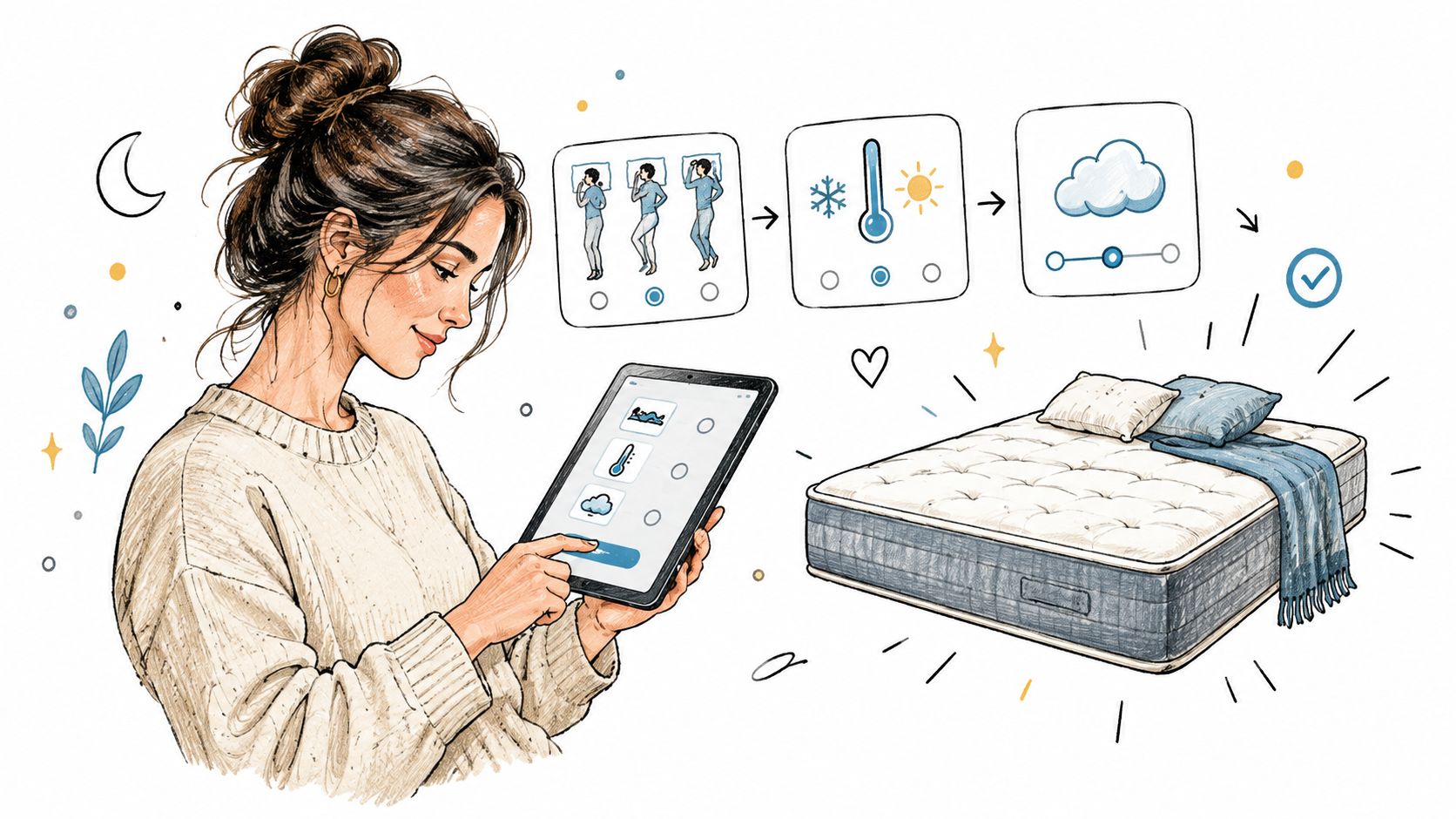
Firmness is personal, and shoppers don't always know how to translate their preferences into a product choice. A sleep quiz can turn a large catalog into a more manageable shortlist by asking about sleep position, temperature preference, partner disturbance, and desired feel.
The quiz should explain why it recommends a mattress. For instance, a side sleeper who wants more pressure relief should see how the suggested model's feel and construction relate to that preference. A bare product recommendation without reasoning can feel arbitrary, particularly when two models have similar names or overlapping features.
Make the recommendation useful beyond the quiz
A retailer can use the same recommendation logic online and on an in-store tablet. That gives sales associates a structured starting point while leaving room to ask follow-up questions and let the customer test the bed. A quiz shouldn't replace lying on a floor model or discussing comfort preferences with a person.
Use answers to tailor follow-up content only when shoppers understand what they're sharing and how it will be used. For example, someone who indicates they sleep hot might receive product information about documented cooling materials rather than a generic campaign about premium comfort. The message should point to substantiated product details, not infer sensitive needs or make medical claims.
Show the recommended mattress clearly with a silhouette or Digibun, and make it easy to compare another suitable option. Track whether quiz users proceed to product pages, contact a retailer, or buy, but don't assume a completed quiz alone signals purchase intent. The useful outcome is a more informed next step.
6. Demonstrate Feel With Video and Interactive Views
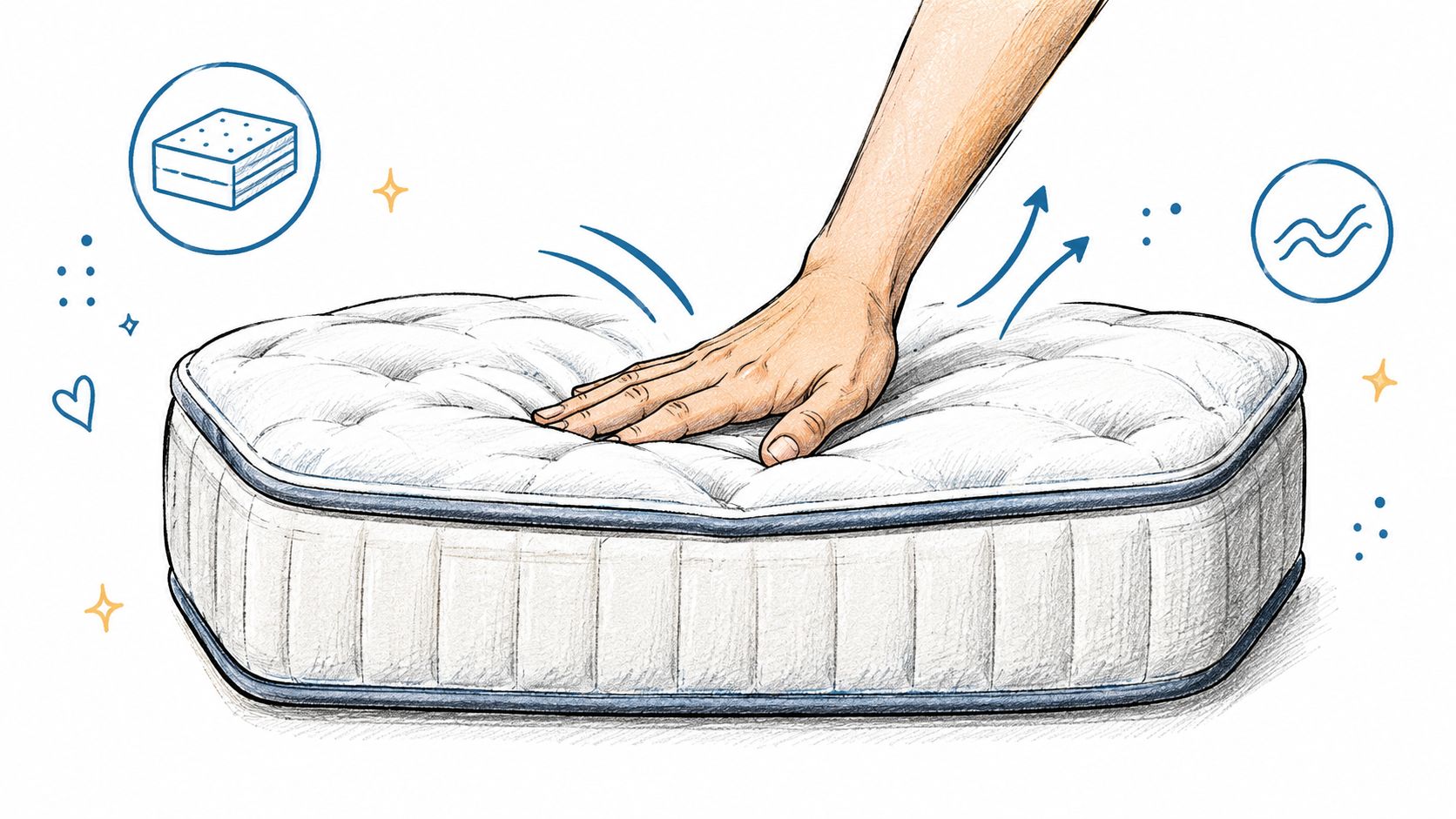
Static product images can show stitching, profile, and materials, but they can't demonstrate how a mattress responds to pressure. Short videos can show compression, bounce, or edge support, giving shoppers more to assess than words such as “plush” or “supportive.”
The demonstration needs to be fair and clear. Show what's being tested and use a repeatable method. If the video uses a particular weight or test setup, identify it on screen and apply the same approach across relevant models. Otherwise, a dramatic but unexplained demonstration risks looking staged rather than informative.
Let shoppers explore without slowing the page
An interactive viewer can let a shopper rotate a product or inspect its layers at their own pace. That's particularly useful when a hybrid's coils, transition foam, and comfort layers need to be explained together. But an elaborate viewer can frustrate shoppers if it loads slowly, works poorly on mobile, or makes basic product information hard to find.
Place a concise demonstration on the product page and reserve longer explanations for an education page or sales training. Keep the interaction optional. Shoppers who want to inspect construction should be able to do so, while those ready to compare price, delivery, or returns shouldn't have to wait for a visual effect to finish loading.
A product demo earns trust when the method is clear and the claim stays within what the footage actually shows.
Compare page behavior before and after adding the asset, but keep the interpretation grounded. If shoppers engage with a video and still leave, the barrier may be price, policy, or product fit rather than a lack of visual explanation.
7. Activate Showroom Floor Models
A floor model is expensive showroom space. Yet shoppers can still walk past it without understanding what distinguishes its construction, feel, or price from the bed beside it. Product activation gives each model a clear story and gives staff a consistent way to introduce it.
Start with a useful conversation rather than a feature monologue. Ask how the shopper sleeps, what tends to disturb them, and what they've already learned. Then invite them to compare the feel of the mattress with another option. The associate can connect what the shopper notices to the product's materials and construction.
Make the explanation visible at the bed
Place a layer graphic or Digibun where customers can inspect it beside the model. Add a concise description of who the mattress may suit and what differentiates it from a nearby option. Keep signage current when specifications or fabrics change. A polished display that describes an outdated build undermines confidence.
Manufacturers can support retail partners with a shared sales framework, product comparisons, and answers to common objections. Retailers, in turn, can observe which questions associates hear repeatedly and feed those insights back to the manufacturer. That feedback can improve product pages as well as staff training.
The important trade-off is between a consistent framework and a rigid script. Associates need accurate language, but a shopper who wants to test a bed shouldn't be trapped in a lecture. Practical product activation strategies for mattress sales can help align showroom materials, product messaging, and the sales conversation.
8. Publish Educational Content for Mattress Comparisons
Many shoppers start with a question rather than a brand name. They may want to understand hybrid versus memory foam, what a gusset does, or how a mattress's height affects the setup. Educational content can answer those questions, then direct the reader to a relevant product or comparison.
The strongest pages connect a technical detail to a real buying consideration. Explain what ticking and quilting refer to, then clarify how those visible elements fit into the overall construction. Describe foam layers in plain language, and avoid treating material names as proof of a particular sleep outcome.
Build from questions sales teams hear
A retailer's staff may repeatedly explain the difference between two models or how a mattress works with an adjustable base. Those conversations can guide useful web content, sales aids, and paid-search landing pages. Pair comparisons with a visual, such as a silhouette or layer breakdown, so shoppers don't have to decode long blocks of text.
Keep the product information consistent across the brand site and retail partner listings. If a mattress appears with different heights, material descriptions, or firmness language in different places, comparison content can make the discrepancy more visible rather than resolving it. Assign someone to review those details when products change.
For mattress-industry training on construction language and selling frameworks, Bedhead University is a useful resource. Strong educational content doesn't need to push every reader straight to checkout. It should help them understand the category, compare relevant options, and know what to ask next.
8-Point Product Marketing Ideas Comparison
Strategy | Implementation Complexity | Resource Requirements | Expected Outcome | Ideal Use Case | Key Advantage |
|---|---|---|---|---|---|
Digibun Layer Breakdown Visuals | Medium–high; requires accurate 3D modeling | Current product specifications, 3D rendering | Clearer understanding of mattress construction and value | Multi-layer, hybrid, or technical products | Explains internal components without a physical sample |
Silhouette Packshots | Low–medium; requires standardized image production | Product photography or rendering, consistent templates | More consistent product listings across channels | Multi-SKU catalogs and marketplace listings | Creates uniform, specification-focused imagery |
Room Scene Lifestyle Renders | Medium; requires scene design and brand guidelines | Product model, room assets, styling direction | Stronger lifestyle appeal and perceived value | Advertising, seasonal campaigns, and bedding bundles | Helps shoppers imagine the mattress in a bedroom |
Sleep Trial and Risk-Reversal Messaging | Low–medium; requires policy coordination and clear copy | Return-policy details, fulfillment and customer-service processes | Reduced purchase hesitation and potentially higher conversion | Direct-to-consumer sales and online mattress shopping | Lowers perceived risk for a high-consideration purchase |
Sleep Quiz and Mattress Finder Tools | Medium–high; requires recommendation logic and testing | Quiz platform, product data, analytics, ongoing updates | More focused product recommendations and preference data | Large catalogs or shoppers unsure about mattress fit | Reduces choice overload with tailored guidance |
Firmness Demonstration Videos and Interactive Product Viewers | Medium–high; requires production and technical optimization | Video production, test method, interactive assets, hosting | Makes firmness and construction easier to evaluate | Product pages, social campaigns, and showroom displays | Demonstrates product response more clearly than static images |
Showroom Floor Model Storytelling and Product Activation | Medium; requires retail coordination and staff training | Signage, sales guides, training, optional digital tools | Better-informed shoppers and more consistent sales conversations | Physical retail and multi-store showroom programs | Turns floor models into clear, guided product experiences |
Educational Content for Mattress Comparison Searches | Medium; requires research, writing, and ongoing updates | Subject-matter expertise, SEO tools, visuals, editorial maintenance | Increased informational visibility and shopper understanding | Search-led discovery and product education | Builds trust by explaining terms and trade-offs in plain language |
Build One Connected Mattress Buying Experience
The strongest product marketing programs don't treat each idea as an isolated campaign. A Digibun can support a comparison page, a retailer listing, a sales conversation, and a showroom sign. A quiz can guide a shopper to relevant product information, while a clearly explained trial policy can address a concern that surfaces near checkout.
Start by identifying where shoppers lose confidence. They may not understand the construction, know what a firmness description means, or feel sure about delivery and returns. Use customer questions, sales feedback, product-page behavior, and return reasons to find the friction point. Then connect the right asset and message to it.
Consistency matters as much as creative quality. The product page, retailer listing, paid ad, and floor-model signage should describe the same mattress using accurate specifications and compatible language. That doesn't mean every channel needs identical copy. It means each one should reinforce the same product truth.
For mattress manufacturers, that often starts with approved specifications and reusable visual assets that retail partners can use. For retailers, it means making digital product information useful in the showroom and giving associates a clear way to explain differences. DTC teams need both: persuasive product storytelling and practical answers about fit, delivery, and returns.
Measure the work against decisions, not just attention. Review whether product-page visitors compare models, use the store locator, contact a retailer, or add a mattress to cart. Check whether staff can explain product differences accurately and whether return feedback points to a mismatch between claims and customer expectations. Results will vary by channel and product, so use your own baseline rather than assuming one asset will solve every conversion issue.
If your imagery, product-page content, and retail activation are pulling in different directions, a mattress marketing consultation can help establish one accurate, reusable system. BEDHEAD works specifically with the mattress and bedding industry, supporting manufacturers, retailers, private-label brands, and sleep-product startups with product storytelling, 3D assets, digital marketing, brand development, and sales training. Its Digibuns, silhouettes, and room scenes can help explain construction and keep product presentation aligned across digital and showroom channels.
Take the Next Step With Bedhead Network
For mattress professionals looking for marketing insights, industry news, networking, training resources, a business directory, and business tools, Bedhead Network is a free hub for the mattress industry. Visit BEDHEAD to explore product storytelling, 3D design, marketing, and sales-training support for mattress brands and retailers.
BEDHEAD helps mattress manufacturers and retailers connect product visuals, product-page content, digital campaigns, and showroom sales tools into a consistent buying experience. If you're reviewing how your mattresses are presented across channels, visit BEDHEAD to discuss a practical next step.